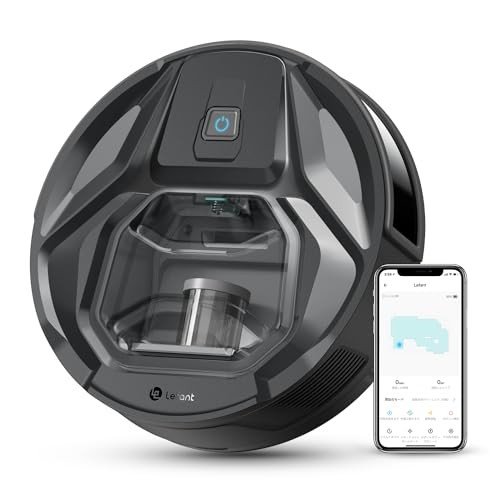
The Rise of the Robots: A Comprehensive Guide to Robotic Hoovers
In today's hectic world, effectiveness and convenience are extremely valued. We look for solutions that streamline our everyday routines and maximize our precious time. One such development that has actually gradually gained popularity in homes across the world is the robotic hoover, typically adoringly described as a "robovac." These ingenious devices are no longer futuristic novelties but rather practical tools changing the method we approach home cleaning. This article explores the world of robotic hoovers, exploring their performance, advantages, key features to think about, and what makes them a beneficial addition to the contemporary home.
Gone are the days of lugging heavy vacuum cleaners and by hand browsing every corner of your home. Robotic hoovers offer an automatic cleaning solution, taking the task of vacuuming off your hands. But how precisely do these compact devices work, and are they genuinely as efficient as standard approaches? Let's unwind the complexities of robotic hoovers and discover why they are becoming an important part of contemporary living.
Understanding the Technology Behind Robotic Hoovers
At their core, robotic hoovers are sophisticated pieces of innovation developed to autonomously navigate and clean your floorings. They achieve this through a combination of sensing units, algorithms, and cleaning systems. While specific technologies vary in between models and brand names, some typical elements underpin their operation:
Navigation Systems: Robotic hoovers use different navigation systems to map and traverse your home. Older models frequently make use of a bump-and-go approach, relying on physical contact with challenges to change instructions. More advanced designs make use of advanced technologies like:
- LiDAR (Light Detection and Ranging): This laser-based system develops an in-depth map of the environment, permitting for effective path preparation and systematic cleaning patterns.
- Visual SLAM (Simultaneous Localization and Mapping): Using cameras, these robotics develop a visual map of your home, enabling them to understand their area and browse intricate layouts.
- Infrared Sensors: These sensors spot obstacles and edges, avoiding the robot from dropping stairs or bumping into furnishings too powerfully.
Cleaning Mechanisms: Robotic hoovers are equipped with various cleaning tools to efficiently pick up dust, debris, and pet hair. These generally include:
- Rotating Brushes: These brushes, frequently located beneath the robot, loosen dirt and sweep it into the suction course. Some designs have side brushes to reach edges and corners more successfully.
- Suction Power: A motor produces suction to raise particles into the dustbin. Suction power differs considerably between models and is an essential consider cleaning performance, especially on carpets.
- Filters: Robotic hoovers frequently incorporate filters, such as HEPA filters, to trap fine dust particles and irritants, contributing to improved air quality in your home.
Smart Features: Modern robotic hoovers are progressively incorporated with smart technology, enhancing their performance and user experience. These features can include:
- Smartphone App Control: Allows you to begin, stop, schedule, and screen cleaning cycles from another location.
- Voice Control Integration: Compatibility with voice assistants like Alexa or Google Assistant for hands-free operation.
- Zoned Cleaning and No-Go Zones: Ability to define particular locations for cleaning or to leave out certain zones from the robot's course.
- Multi-Floor Mapping: Advanced robots can save maps of numerous floorings in your home, adjusting their cleaning technique to each level.
- Automatic Docking and Charging: Robotic hoovers automatically return to their charging dock when the battery is low, ensuring they are always ready for the next cleaning cycle.
The Benefits of Embracing Robotic Hoover Technology
The appeal of robotic hoovers extends beyond their technological novelty. They offer concrete advantages that streamline household tasks and enhance life:
- Time Savings and Convenience: The most significant benefit is the time freed up from manual vacuuming. Robotic hoovers can clean your floorings while you are at work, running errands, or just unwinding, enabling you to focus on more satisfying activities.
- Consistent Cleanliness: By scheduling routine cleaning cycles, robotic hoovers preserve a constant level of tidiness, preventing dust and debris buildup and keeping your home looking and feeling fresher.
- Reduced Effort and Physical Strain: For individuals with movement issues, back problems, or merely those who dislike the physical exertion of vacuuming, robotic hoovers provide a welcome option. They remove the need to press and pull heavy equipment, making cleaning less physically requiring.
- Pet Hair Management: Robotic hoovers are particularly skilled at dealing with pet hair, a relentless obstacle in many homes. Routine robotic cleaning can substantially minimize pet hair accumulation on floorings and carpets, contributing to a cleaner and healthier environment for allergic reaction sufferers.
- Quiet Operation (in some designs): Many modern robotic hoovers are designed to operate at relatively low noise levels compared to conventional vacuum cleaners, enabling them to clean without interfering with family activities or conversations.
- Improved Air Quality (with HEPA filters): Models equipped with HEPA filters can trap fine dust particles, irritants, and pet dander, possibly improving indoor air quality, specifically beneficial for people with allergic reactions or respiratory level of sensitivities.
Key Features to Consider When Choosing a Robotic Hoover
Selecting the best robotic hoover involves considering your particular needs and home environment. Here are some important functions to examine before making a purchase:
- Navigation Technology: For bigger or more intricate homes, advanced navigation systems like LiDAR or visual SLAM are extremely suggested for effective and methodical cleaning. Bump-and-go navigation is usually better fit for smaller sized, simpler spaces.
- Suction Power: Consider the type of flooring in your house. Homes with primarily tough floors may need less suction power, while homes with carpets, specifically thick carpets, will take advantage of designs with greater suction abilities.
- Battery Life and Coverage Area: Ensure the battery life suffices to clean the wanted location on a single charge. Producers often define the approximate cleaning area protection per charge cycle. For bigger homes, try to find robotics with longer battery life or those efficient in automatic charging and resuming cleaning.
- Dustbin Capacity: A bigger dustbin capacity minimizes the frequency of emptying. Consider your home size and the level of dust and particles usually collected. Some advanced models now use self-emptying dustbins, further minimizing manual intervention.
- Smart Features and App Control: Evaluate the level of smart functions that line up with your requirements. Smartphone app control, voice control, zoned cleaning, and no-go zones can substantially improve the user experience and personalization.
- Brush Types and Design: Consider the brush types and style, particularly if you have pets or are concerned about delicate floor covering. Rubber brushes are typically preferred for pet hair, while softer brushes might be better suited for fragile tough floors.
- Height Profile: If you have low-profile furniture, inspect the height of the robotic hoover to guarantee it can browse under sofas, beds, and other furniture.
- Rate and Budget: Robotic hoovers range in cost from budget-friendly alternatives to high-end models with advanced functions. Identify your spending plan and prioritize features that are crucial for your requirements.
Kinds Of Robotic Hoovers: Beyond Basic Vacuuming
The robotic hoover market has broadened beyond standard vacuuming functionalities, providing specialized models to cater to varied cleaning requirements:
- Vacuuming Robots: These are the most common type, focusing solely on dry vacuuming. They work at getting dust, debris, and pet hair from various floor types.
- Vacuuming and Mopping Robots (2-in-1): These versatile designs integrate vacuuming and mopping functionalities. They generally vacuum very first and after that mop utilizing a wet pad or water tank. While convenient, their mopping abilities are generally lighter and much better fit for maintenance cleaning rather than deep cleaning.
- Robotic Mops: Specifically created for mopping hard floors, these robotics focus exclusively on damp cleaning and work at removing stains and spills from tile, laminate, and wood floors.
- Specialized Robots (e.g., Window Cleaning Robots, Pool Cleaning Robots): While less typical, specific robotic cleaning options are likewise emerging for specific tasks such as window cleaning and swimming pool cleaning.
Keeping Your Robotic Hoover for Longevity
To guarantee your robotic hoover continues to perform efficiently and lasts for several years to come, routine maintenance is essential:
- Emptying the Dustbin: Empty the dustbin routinely, ideally after each cleaning cycle, to maintain suction performance and avoid clogging.
- Cleaning Brushes: Remove and clean the brushes regularly to eliminate tangled hair, fibers, and debris buildup. This will ensure efficient dirt pickup.
- Cleaning Filters: Clean or replace filters according to the maker's recommendations. Clogged up filters decrease suction power and can impact air quality.
- Cleaning Sensors: Keep sensors clean and free from dust and debris to make sure precise navigation and obstacle detection.
- Inspecting Wheels and Rollers: Inspect wheels and rollers periodically to eliminate any twisted hair or blockages that might impede movement.
- Replacing Parts as Needed: Over time, particular parts like brushes and filters will require replacement. Follow the manufacturer's guidelines for replacement schedules.
Advantages and disadvantages of Owning a Robotic Hoover
Like any technology, robotic hoovers have their benefits and drawbacks. Understanding these can help you make an informed decision:
Pros:
- Convenience and Time Savings
- Consistent Cleaning
- Lowered Physical Effort
- Reliable Pet Hair Management
- Smart Features and Automation
- Improved Air Quality (with HEPA filters)
Cons:
- Higher Initial Cost Compared to Traditional Vacuums
- May Not Replace Deep Cleaning Entirely (for some models)
- Requires Regular Maintenance (dustbin emptying, brush cleaning)
- Navigation Challenges in Cluttered Environments (for basic designs)
- Battery Life Limitations (for larger homes with some models)
- Potential for Getting Stuck or Requiring Intervention
The Future of Robotic Hoovers
The innovation behind robotic hoovers is continuously evolving, and we can anticipate further developments in the future. Trends to keep an eye out for include:
- Enhanced Navigation and Mapping: Even more advanced navigation systems, possibly integrating AI and artificial intelligence, will lead to smarter and more efficient cleaning patterns.
- Improved Obstacle Avoidance and Object Recognition: Robots will end up being much better at recognizing and avoiding challenges, consisting of smaller sized items and pet waste.
- Increased Suction Power and Cleaning Performance: Manufacturers will continue to enhance suction power and cleaning effectiveness, bridging the space with traditional vacuum.
- Self-Emptying and Self-Cleaning Features: More designs will likely feature self-emptying dustbins and even self-cleaning brushes, further decreasing user intervention.
- Integration with Smart Home Ecosystems: Seamless integration with smart home platforms and more comprehensive home automation systems will end up being much more prevalent.
- Lower Prices and Increased Accessibility: As technology grows and production scales up, robotic hoovers are most likely to become more inexpensive and accessible to a broader variety of consumers.
Conclusion: Embracing the Automated Cleaning Revolution
Robotic hoovers have transitioned from a futuristic idea to a practical and increasingly essential home device. They use a compelling option for busy people and families looking for to simplify their cleaning routines and keep regularly tidy homes. While robot hoover best may not completely replace conventional vacuum cleaners for all deep cleaning tasks, they stand out at daily maintenance, pet hair management, and offering a convenient, automated cleaning solution.
By carefully considering your needs, home environment, and the crucial functions talked about, you can select a robotic hoover that effortlessly integrates into your way of life and transforms the way you approach family cleaning. Welcome the rise of the robotics and experience the flexibility and convenience of automated floor cleaning.
Frequently Asked Questions (FAQs) about Robotic Hoovers:
Q: Are robotic hoovers as powerful as standard vacuum?A: While robotic hoovers have improved considerably in suction power, they usually might not match the deep cleaning power of high-end standard vacuums, especially for really thick carpets. However, for daily upkeep and general cleaning on difficult floorings and most carpets, they are really effective.
Q: How long do robotic hoovers usually last?A: The life-span of a robotic hoover can vary depending upon the brand name, model, and usage frequency. Generally, with proper maintenance, a good quality robotic hoover can last for 3-5 years or perhaps longer.
Q: Can robotic hoovers tidy pet hair efficiently?A: Yes, lots of robotic hoovers are specifically designed to deal with pet hair. Search for designs with rubber brushes and strong suction, which are particularly effective at choosing up pet hair from various surface areas.
Q: Do robotic hoovers work on carpets?A: Yes, the majority of robotic hoovers are designed to deal with carpets, although performance can vary depending on the carpet type and robot model. Designs with strong suction and proper brush types will carry out better on carpets, particularly thicker carpets.
Q: Are robotic hoovers challenging to maintain?A: Robotic hoovers need fundamental maintenance, such as emptying the dustbin, cleaning brushes, and cleaning or changing filters. Nevertheless, this upkeep is typically uncomplicated and less requiring than maintaining standard vacuum cleaners.
Q: How much do robotic hoovers cost?A: The cost of robotic hoovers varies widely, ranging from under ₤ 200 for fundamental models to over ₤ 1000 for high-end designs with sophisticated functions. The cost generally shows the features, innovation, and cleaning performance provided.
Q: Can robotic hoovers damage furniture or walls?A: Modern robotic hoovers are developed to lessen bumping and crashes with furnishings and walls utilizing sensors. While best vacuum robots might happen, they are generally mild and unlikely to cause damage. Advanced designs with LiDAR or visual SLAM are even much better at browsing around challenges specifically.
Q: What happens if my robotic hoover gets stuck?A: While robotic hoovers are created to navigate autonomously, they can periodically get stuck, specifically in chaotic environments or on thick carpets with tassels. Most models have features to find getting stuck and will stop cleaning and send an alert or sound an alarm.
Q: Can I arrange my robotic hoover to clean when I'm not home?A: Yes, scheduling is a key function of a lot of robotic hoovers. You can usually establish cleaning schedules via a smartphone app or directly on the robot, permitting it to clean while you are away from home.